
Captain Tsubasa 2: World Fighters Advanced Tips
High-level techniques for competitive play, mind games, and maximizing your win rate in ranked matches.
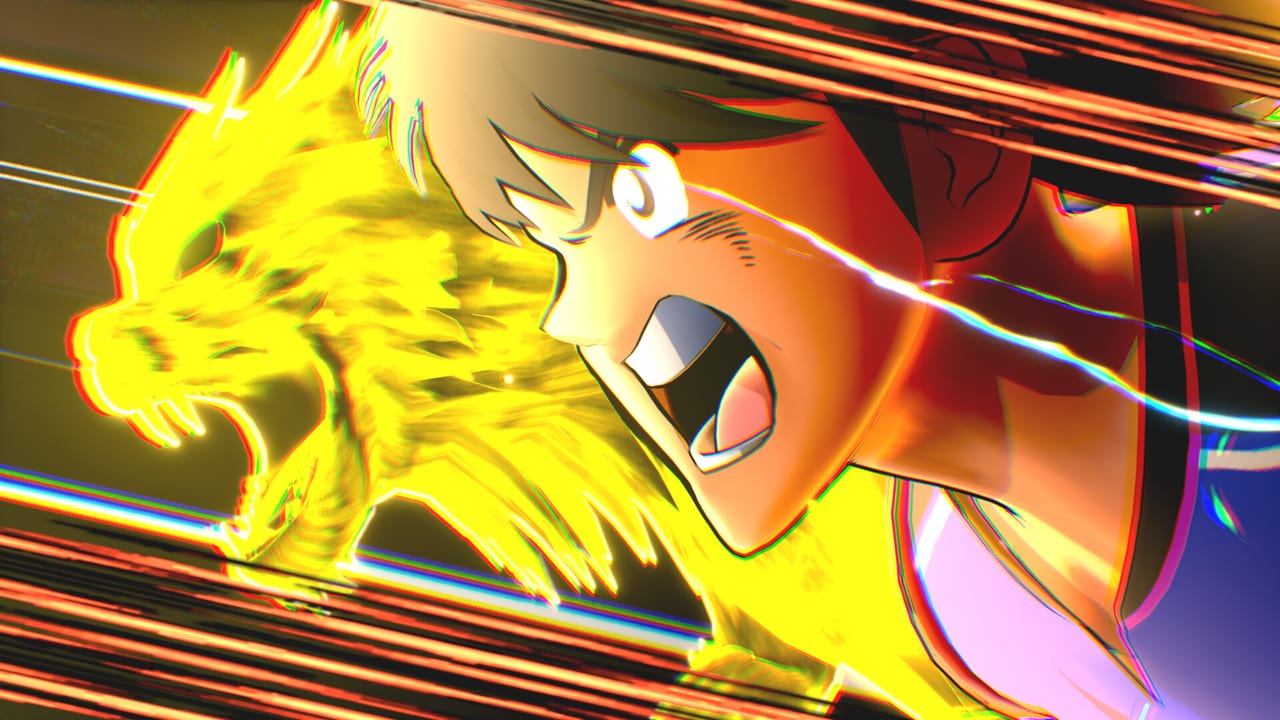
Once you have the fundamentals — Chain System, Super Moves, stamina management, and basic match strategy — the gap between good players and great players comes down to advanced technique and game sense. This page covers high-level concepts that are not immediately obvious from playing: mind games, timing manipulation, reading opponent patterns, and maximizing efficiency in ranked play. The game launched on 27 August 2026 in Japan and 28 August 2026 worldwide, including Steam. Read this alongside How to Play, Chain System, Max Actions, and Match Strategy.
The rhythm of a World Fighters match
Experienced players develop an intuition for match rhythm that goes beyond individual duels. A match has distinct phases:
Early phase (minutes 0-15): Both players feel out each other’s patterns. This is not the time for high-risk plays. Build Chain Level methodically, test the opponent’s defensive posture, and note which direction they lean.
Mid phase (minutes 15-40): Patterns emerge. If your opponent always drops midfielders back when you build chain, they are playing a contain strategy. Adjust by using Super Pass to freeze and shoot before they set.
Late phase (minutes 40+): Stamina management becomes critical. Players with high stamina conservation early will have more options. This is when Super Move gauge timing matters most — the player who fires a Super Shot at minute 42 with full stamina beats the one who wasted it at minute 20.
Mind games and baiting
High-level play involves predicting opponent behavior and forcing mistakes:
Baiting the Super Block: Hold the Super Move button without firing. If the opponent expects a Super Shot, they may pre-activate Super Block. Wait for the window to close, then fire. This is especially effective against defensive players who conserve Super Move gauge.
Fake Super Pass: Start the Super Pass animation but cancel it with a normal pass. This freezes the defender who expected the shockwave, leaving them out of position for the actual pass.
Sprint bait: Start a sprint to draw the opponent’s defender forward, then stop abruptly. The defender’s momentum carries them past the ball, leaving space for a through ball.
Keeper positioning read: Watch where the keeper positions during your build-up. A keeper who drifts left consistently is weak on the right side. Exploit that pattern with low crosses to the opposite post.
Reading opponent patterns
Human opponents have habits. The longer a match goes, the more patterns emerge:
Dash timing: Some players dash immediately on receiving the ball. Others conserve dash for late-game. Note the pattern in the first ten minutes and exploit it in the final phase.
Super Move usage: Does your opponent fire Super Moves immediately when the gauge fills, or do they conserve? Aggressive Super Move users are predictable — they will fire at the first opportunity. Conservative users will wait for the perfect moment.
Defensive posture: Does your opponent press high or drop deep? High pressers give up counter opportunities. Deep defenders are vulnerable to patient build-up.
Efficient ranked play
Ranked matches have compressed time and higher stakes. Efficiency matters:
Focus on 2-3 key techniques: Rather than mastering every Super Move, choose two or three that match your playstyle and use them consistently. Tsubasa’s Drive Shot, Natureza’s Super Dribble, and Hyuga’s Tiger are high-value techniques that win matches.
Study your replays: After each ranked loss, identify the moment the match turned. Was it a stamina mistake, a missed keeper read, or a bad Super Move timing? Systematic self-review accelerates improvement.
Know your match-up: Before queuing, have a general plan for each common opponent. Japan versus Brazil is a different game than Japan versus China. The Match Strategy guide covers specific opponent approaches.
When to take risks
Advanced players know when to deviate from safe play:
When you have a stamina lead: If you conserved stamina well and the opponent is running low, you can afford more aggressive plays. The stamina gap is a temporary advantage — use it before it closes.
When the opponent tilts: After a dramatic goal or a missed penalty, opponents often become more aggressive and make mistakes. Capitalize on emotional responses with patient play.
When you are one goal down with time running out: High-risk plays are justified when elimination is near. A 30-meter Super Shot is a bad trade in minute 10 but a calculated gamble in minute 55 when trailing by one.
For character-specific advanced techniques, see the character tier list. For team composition and counter strategies, open the team tier list.
Frequently Asked Questions
Quick answers for launch week on PS5, Xbox, Switch, and Steam.
What is the most important advanced skill in Captain Tsubasa 2?
Stamina management and Chain System understanding are the foundations. Beyond that, reading opponent patterns and knowing when to take risks separate good players from great ones.
How do I bait a Super Block?
Hold the Super Move button without firing. If the opponent expects a Super Shot, they may pre-activate Super Block. Wait for the window to close, then fire.
What is the best way to read opponent patterns?
Watch the first 10-15 minutes carefully. Note dash timing, Super Move usage habits, and defensive posture. The longer the match goes, the more patterns emerge.
How do I improve my ranked win rate?
Focus on 2-3 key techniques that match your playstyle, review replays after losses to identify mistakes, and know your match-ups before queuing.
When should I take high-risk plays?
When you have a stamina lead, when the opponent is emotionally tilted after a dramatic moment, or when you are one goal down with little time remaining.
How do I counter aggressive Super Move users?
They are predictable — they fire at the first opportunity. Bait them into wasting gauge on low-value shots, then capitalize when their gauge is empty in the late phase.