
Captain Tsubasa 2: World Fighters Formation Guide
Tactical setups, formation strengths and weaknesses, and picking the right shape for your playstyle.
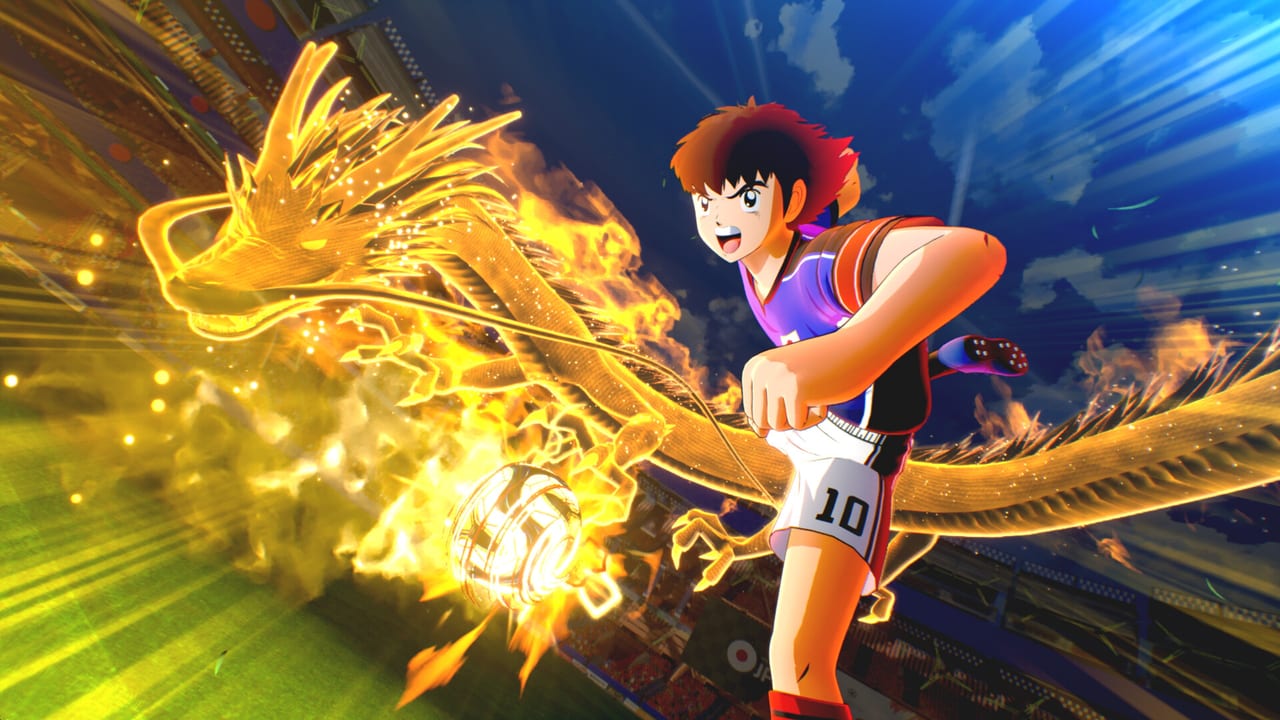
Formation is the foundation of your tactical approach in Captain Tsubasa 2: World Fighters, but it works differently than traditional football sims. This game runs on Super Action Soccer — a system where individual Super Moves, the Chain System, and momentum swings decide matches more than formation sliders. That said, picking the right shape for your team and playstyle still matters. The game launched on 27 August 2026 in Japan and 28 August 2026 worldwide, including Steam. This page breaks down what formations do, which shapes are available, and how to use them alongside the Chain System, Super Moves, and Match Strategy.
What formations actually do in World Fighters
In a traditional football sim, formation controls spacing, passing lanes, defensive shape, and attack width. In Captain Tsubasa 2, those same concepts exist but they interact with Super Action Soccer mechanics:
Defensive shape determines how many players track back during opponent attacks. A compact formation absorbs pressure and forces the opponent to break down a set defensive block. An open formation leaves space behind for counter attacks but risks getting caught out.
Width affects how the AI-controlled teammates position themselves during build-up. Wide formations stretch the opponent’s defense and create space for through balls. Narrow formations agregan el centro and make it harder to penetrate but easier to overwhelm from the flanks.
Super Move distribution is the hidden layer. Each formation positions specific player archetypes — fast wingers, tall center-backs, playmaking midfielders — in locations where their Super Move kits matter most. A formation that puts your best Super Shot striker in the center is more effective than one that pushes them wide.
Available formations and their identity
The game offers several formations. The exact roster evolves as you unlock new teams and customize in Team Edit, but the core shapes available at launch include:
4-3-3 (Classic) Strengths: Balanced attack and defense, natural width for crossing, three midfielders for Chain building. Weaknesses: The single defensive midfielder can leave the back four exposed against aggressive formations. Best for: Players who want to build chains methodically and use both wings.
4-4-2 (Standard) Strengths: Compact midfield, two strikers for combination play, solid defensive shape. Weaknesses: Less width, harder to stretch a packed defense. Best for: Players who prefer passing triangles and combination attacks through the center.
3-5-2 (Midfield Focus) Strengths: Dominates midfield with three central midfielders, wing-backs provide width, five midfielders build chains quickly. Weaknesses: Three center-backs can be overwhelmed by fast wingers if the wing-backs do not track back. Best for: Players who want to control the Chain System and dominate possession.
4-2-3-1 (Defensive Solidity) Strengths: Two defensive midfielders shield the back four, three attacking midfielders support the striker, excellent for counter-attacks. Weaknesses: Relies heavily on the two defensive midfielders; if they are exhausted, the defense is exposed. Best for: Players who want to absorb pressure and hit on the counter.
5-3-2 (Ultra Defensive) Strengths: Five defenders create a solid block, three midfielders for Chain building, hard to break down. Weaknesses: Very narrow, leaves the wings open if the midfielders do not track back. Best for: Protecting a lead or facing a superior opponent.
Formation selection by team archetype
Different national teams and club sides have preferred formations that match their playstyle:
Japan Youth performs best in 4-3-3 or 4-2-3-1. Japan’s roster has strong midfielders — Tsubasa, Misaki, and Matsuyama — who can dominate the center and feed Hyuga or Nitta in the striker position.
Brazil naturally suits 4-3-3 with Santana and Natureza as the front three. Brazil’s Super Move kits are built for fast transitions, and the wide 4-3-3 gives them space to operate.
Germany benefits from 4-4-2 or 3-5-2. Schneider is a target forward who can hold the ball and bring others into play, making a two-striker system effective.
Argentina fits 4-3-3 with Diaz as the creative focal point. Argentina’s tight defensive shape and quick combinations work best when Diaz has space to operate on the wing.
Adjusting formation during a match
In-match formation adjustments are limited. You can shift defensive and attacking posture using pre-match tactics or in-game quick commands, but major structural changes require a pause or half-time.
The practical approach: choose your formation before kickoff based on your opponent. If you are playing a defensive team like China, pick a formation with width (4-3-3) to stretch their compact block. If you are playing an aggressive team like Brazil, pick a formation with two defensive midfielders (4-2-3-1) to absorb their press.
Formation and Team Edit
Team Edit allows you to customize your starting XI and substitute bench. Use Team Edit to place players in positions that match their Super Move kits. A player with a strong Super Aerial Shot should be positioned as a striker or second forward, not a deep-lying midfielder.
For Team Edit specifically, see the Team Edit guide. For pre-match tactical planning, open Match Strategy.
Frequently Asked Questions
Quick answers for launch week on PS5, Xbox, Switch, and Steam.
What is the best formation in Captain Tsubasa 2?
There is no single best formation. 4-3-3 is the most balanced, but 4-2-3-1 excels for counter-attacks and 3-5-2 dominates midfield control. Choose based on your team strengths and opponent.
Does formation affect Super Moves?
Indirectly. Formation determines player positioning, which affects where their Super Move kits are deployed. A striker in the center has better Super Shot angles than one pushed wide.
Can I change formation during a match?
In-match adjustments are limited to posture shifts and quick commands. Major structural changes require pre-match setup or half-time. Pick your formation before kickoff based on the opponent.
What formation works best for Japan Youth?
4-3-3 or 4-2-3-1. Japan's strong central midfielders — Tsubasa, Misaki, Matsuyama — can dominate the center and feed the strikers effectively.
How does width affect gameplay?
Wide formations stretch the opponent's defense and create space for through balls. Narrow formations pack the center and make it harder to penetrate but easier to flank.
Should I use Team Edit to change formation?
Yes. Team Edit lets you customize your XI and substitute bench. Place players in positions that match their Super Move kits for maximum effectiveness.